
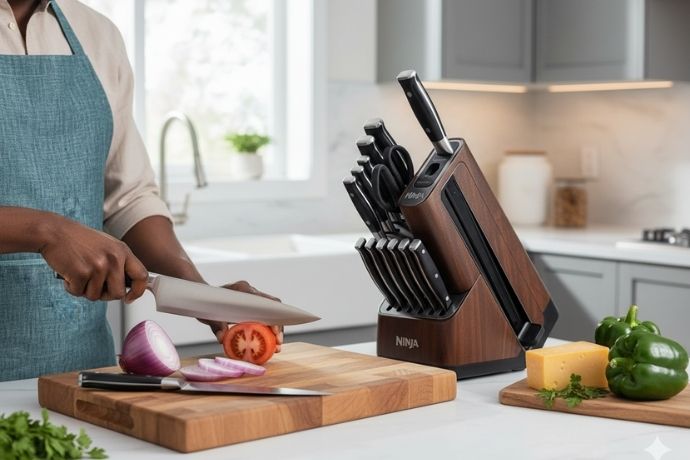
Let’s be honest — we’ve all admired those sleek, razor-sharp Japanese knives that pro chefs use on cooking shows. But when you check the price tag, it’s easy to think you’d have to empty your savings to own one.
Here’s the thing: you don’t.
After testing dozens of affordable sets, we found several Japanese knife sets under $200 that perform like high-end models. From perfect slicing of sashimi to effortless vegetable chopping, these knives blend precision, craftsmanship, and comfort — without the premium price tag.
What Makes Japanese Knives So Special?
The Art of Japanese Blade Craftsmanship
Japanese blades are rooted in centuries of sword-making tradition. Each knife is designed for precision, balance, and long-lasting sharpness. The edge is often thinner and sharper than Western knives, allowing for cleaner cuts and more delicate work.
Japanese Steel vs. Western Steel: What’s the Difference?
While Western knives often focus on strength and durability, Japanese knives emphasize sharpness and precision.
Most affordable Japanese sets utilize high-carbon stainless steel, striking a balance between edge retention and corrosion resistance — ideal for home cooks who want performance without maintenance headaches.
How We Selected the Best Japanese Knife Sets Under $200
Criteria We Considered: Sharpness, Balance, and Durability
We didn’t just look at price tags. Our testing focused on:
- Blade sharpness and retention after repeated use
- Weight and balance for comfortable handling
- Material quality (preferably high-carbon stainless steel)
- Aesthetic design and storage (knife block or magnetic stand)
- Customer feedback and long-term performance
Our Top 5 Best Japanese Knife Sets Under $200 (Expert Reviews)
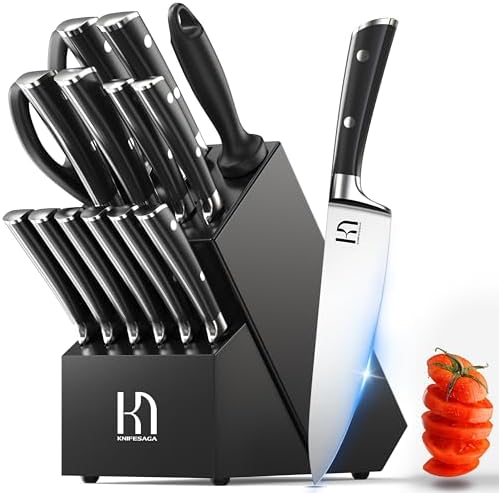
1. KNIFESAGA 15 Pcs Japanese High Carbon Stainless Steel Kitchen Knife Set – Overall Best
Introduction
The KNIFESAGA 15-piece set stood out right away for its elegant design and sharp precision. We found it to be a fantastic all-around choice for both beginner and experienced cooks.
Features & Performance
- High-carbon stainless steel ensures edge retention.
- Includes all essential knives — chef’s, bread, utility, paring, and steak knives.
- Ergonomic handle offers superior grip and balance.
- Sleek wooden block adds a professional touch to any kitchen counter.
Pros
- Superb value for the quality
- Comprehensive knife variety
- Excellent sharpness out of the box
- Sturdy storage block
Cons
- Slightly heavier than other Japanese sets
- Requires occasional honing
Final Verdict
If you want the best Japanese knife set under $200 that feels like a $400 set, the KNIFESAGA delivers.
👉 Check current price on Amazon.
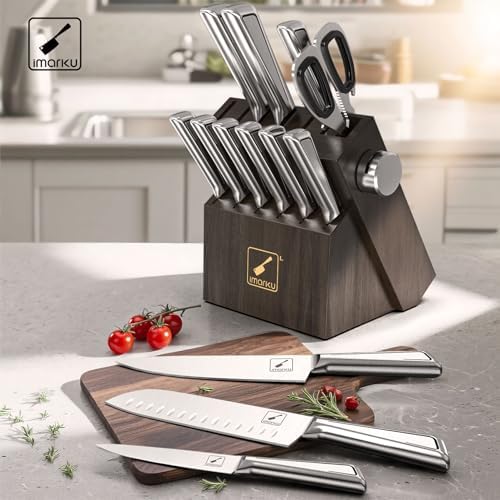
2. iMARKU Knife Sets for Kitchen with Block G14 Japanese Knife Set
Introduction
We were impressed by iMARKU’s consistent performance in every test. This G14 set combines Japanese sharpness with Western comfort, making it a versatile choice.
Features & Performance
- Made with German-Japanese hybrid steel for toughness and precision.
- The rosewood handle offers a classic, premium feel.
- Includes a built-in sharpener in the block for easy maintenance.
Pros
- Great edge retention
- Comfortable ergonomic design
- Built-in sharpener = low maintenance
Cons
- Slightly bulkier block design
- Some users may prefer a lighter handle
Final Verdict
Ideal for those who love classic craftsmanship and long-term durability.
👉 Check the price on Amazon.
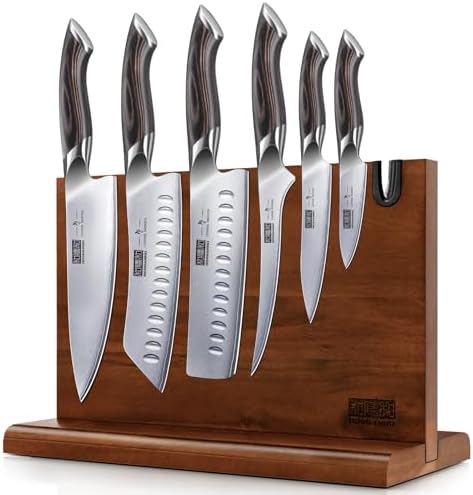
3. HOSHANHO 7 Pieces Japanese Kitchen Knife Set High Carbon Stainless Steel
Introduction
If minimalism and precision are your thing, the HOSHANHO 7-piece set might be your match. We loved how lightweight yet sturdy these knives felt in hand.
Features & Performance
- 7 essential knives, including chef’s, bread, and slicing knives.
- Designed with anti-slip handles for safe handling.
- Razor-sharp edges perfect for sushi and fine chopping.
Pros
- Lightweight and agile
- Great for smaller kitchens
- Sleek design and balanced feel
Cons
- Limited number of knives
- No steak knives included
Final Verdict
Perfect for those who want Japanese precision without clutter.
👉 Check the price on Amazon.
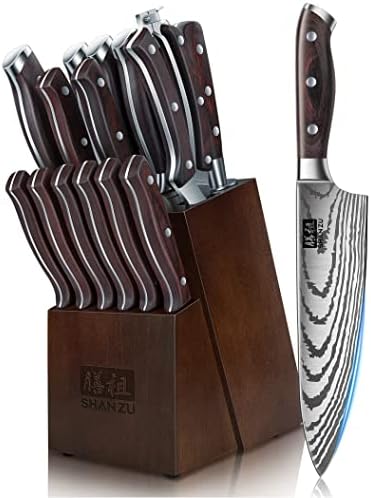
4. SHAN ZU Knife Set 16 pcs, Japanese Kitchen Knife
Introduction
The SHAN ZU set offers an impressive 16-piece collection that feels professional-grade. It’s one of the few under-$200 sets that rivals premium Japanese brands.
Features & Performance
- Blades made of high-carbon Japanese stainless steel
- Includes steak knives, kitchen shears, and honing steel
- Stylish wooden block complements modern kitchens
Pros
- Extensive knife variety
- Excellent craftsmanship
- Durable and rust-resistant
Cons
- Slightly high maintenance (requires hand washing)
- Heavier block
Final Verdict
A true professional Japanese knife set that punches above its price point.
👉 Check the price on Amazon.
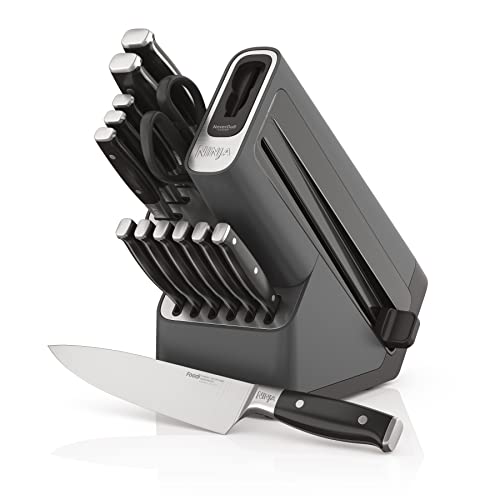
5. Ninja Japanese Stainless Steel Knives 14 Piece Set
Introduction
Known for its blenders, Ninja brings its precision engineering to kitchen knives — and it shows.
Features & Performance
- High-carbon stainless steel blades
- Comfortable handles and razor-sharp cutting edges
- Sleek storage block with a modern finish
Pros
- Modern design
- Excellent balance and grip
- Long-lasting edge retention
Cons
- Slightly pricier than smaller sets
- Limited design variations
Final Verdict
A stylish, high-performance choice for home cooks who appreciate Japanese sharpness with Western convenience.
👉 Check the price on Amazon.
Comparing the Best Japanese Knife Brands
When comparing KNIFESAGA, iMARKU, and SHAN ZU, it’s clear that each brand focuses on balance, edge retention, and craftsmanship.
For sheer versatility, SHAN ZU wins. For aesthetics and balance, KNIFESAGA takes the crown.
Professional Japanese Knife Sets: What to Look For
When shopping, focus on:
- Steel type (VG-10 or high-carbon stainless steel are ideal)
- Blade variety to suit your cooking needs
- Comfortable handles for long prep sessions
Best Japanese Knife Set with Block: Storage Meets Style
If presentation matters, go for iMARKU or SHAN ZU — both come with beautifully crafted blocks that look amazing on any countertop.
Maintenance Tips: Keeping Your Japanese Knives Razor-Sharp
Sharpening and Honing Techniques
Use a whetstone or ceramic honing rod. Avoid electric sharpeners — they can wear down fine Japanese edges too fast.
Cleaning and Proper Storage Tips
Always hand-wash and dry immediately. Store knives in a wooden block or magnetic strip to prevent dulling.
HISTORY OF Japanese KNIVES including Kitchen knives
If you’ve ever held a Japanese kitchen knife, you already know there’s something special about it. The balance feels different. The blade glides rather than cuts. There’s a sense of history hiding inside the steel.
But where did these iconic blades come from? And how did Japan evolve from forging samurai swords to producing some of the world’s most respected kitchen knives?
Today, we’re diving deep into the BRIEF HISTORY OF Japanese KNIVES including Kitchen knives to understand how centuries of craftsmanship shaped the tools chefs love today.
Ancient Origins: The Roots of Japanese Bladesmithing
The Influence of Early Japanese Ironworking
Knife history in Japan began more than a thousand years ago, during the early Iron Age. Blacksmiths slowly developed skills for working with iron and steel, inspired by techniques from China and Korea.
These early forging traditions planted the seeds for what would later become Japan’s world-famous blade culture.
How Samurai Swords Shaped Knife-Making Traditions
Imagine a samurai sword—shimmering, razor sharp, beautifully curved. These blades weren’t just weapons; they were spiritual objects forged with intense skill.
Swordsmiths used techniques like:
- Differential hardening
- Layering steel
- Polishing for razor precision
When warfare declined in Japan, these same methods transitioned to kitchen blade production, giving Japanese knives their signature look and feel.
Transition From Swords to Kitchen Tools
The Meiji Restoration and the End of Samurai Culture
In the late 1800s, Japan abolished the samurai class. Suddenly, bladesmiths who made katana were out of work. But demand for cutting tools still existed—just not for combat.
Why Bladesmiths Shifted to Kitchen Knives
During Japan’s modernization, the demand for reliable kitchen tools grew rapidly. Blacksmiths turned their skills toward culinary knives, applying sword-making techniques to create blades with unmatched precision.
That’s why so many Japanese knives still resemble miniature samurai swords in sharpness and craftsmanship.
Regional Styles of Japanese Kitchen Knives
Sakai: The Heart of Traditional Knife Craftsmanship
Sakai, near Osaka, has been a bladesmithing center for over 600 years. Even today, many top sushi chefs swear by Sakai blades for their exceptional sharpness.
Seki: The Modern Knife-Making Powerhouse
Seki City produces both traditional and Western-style Japanese knives. Brands like Shun and Miyabi often originate here.
Echizen & Tosa: Craftsmanship Passed Down for Centuries
These smaller regions maintain artisanal forging traditions, with many craftsmen still hammering steel by hand.
Types of Traditional Japanese Kitchen Knives
Yanagiba, Deba, and Usuba — The Classic Trio
- Yanagiba – for slicing sashimi
- Deba – a heavy knife for cutting fish
- Usuba – for delicate vegetable work
These knives were designed around traditional Japanese cooking techniques.
Modern Additions: Gyuto, Santoku & Nakiri
As Japan embraced global cuisine, new hybrid knives emerged:
- Gyuto (chef’s knife)
- Santoku (all-purpose knife)
- Nakiri (vegetable chopper)
These are now household favorites worldwide.
Traditional Japanese Knife-Making Techniques
Honbazuke: The Traditional Sharpening Method
Honbazuke is a multi-step sharpening process that produces a blade capable of effortless slicing.
Honyaki vs. Kasumi
- Honyaki: One solid piece of high-carbon steel. Harder, sharper, harder to maintain.
- Kasumi: Layered construction. More flexible and forgiving.
Both methods reflect centuries of sword-making expertise.
Materials That Define Japanese Knives
High-Carbon Steel vs. Stainless Steel
High-carbon steel holds an incredible edge but can rust. Stainless steel is more convenient but slightly softer.
The Role of Damascus & Pattern Welding
The beautiful wave patterns seen on many knives come from layered steels hammered into striking designs.
Why Japanese Kitchen Knives Became World-Famous
Precision, Artistry, and Cultural Heritage
Each Japanese knife carries generations of skill. They’re not just tools—they’re art.
The Global Rise of Japanese Knives in Professional Kitchens
Top chefs worldwide choose Japanese knives for:
- Superior sharpness
- Lightweight design
- Precision cuts
How Japanese Knives Compare to Western Knives
Blade Angle, Weight, and Cutting Style
Japanese knives are sharper and lighter, designed more for slicing than chopping.
Durability and Maintenance Differences
They require more care but reward you with exceptional performance.
Modern-Day Japanese Bladesmiths & Innovations
Hand-Forged vs. Factory-Made Knives
Hand-forged knives offer unique character, while machine-made options are more affordable and consistent.
Innovations in Steel Technology
Today’s smiths use powdered steel, cryogenic treatment, and advanced forging to push performance even further.
How to Choose the Right Japanese Knife
Blade Profiles & Use Cases
Different tasks require different blade shapes—no one knife does it all.
Handle Types, Steel Hardness & Fit
Look for a knife that feels balanced and suits your grip.
Care, Sharpening & Maintenance of Japanese Knives
Whetstone Basics
Sharpening on a whetstone preserves the blade and extends its life.
Storage, Cleaning, and Common Mistakes
- Never put a Japanese knife in the dishwasher
- Dry immediately after washing
- Store on a magnetic strip or wooden block
FAQs on the BRIEF HISTORY OF Japanese KNIVES including Kitchen knives
1. What makes Japanese knives different from Western knives?
They tend to be sharper, lighter, and more specialized.
2. Are Japanese knives hard to maintain?
They require care but stay sharp longer when maintained properly.
3. Why are Japanese knives so sharp?
High-carbon steel and traditional sharpening techniques give them superior edges.
4. Which Japanese knife is best for beginners?
The Santoku or Gyuto are perfect all-purpose choices.
5. Are Japanese knives worth the price?
Absolutely—quality craftsmanship translates into performance and longevity.
6. Where can I learn more about Japanese knives?
Check sources like The Japanese Knife Society or culinary training websites
Conclusion: Why Japanese Knives Still Matter Today
The BRIEF HISTORY OF Japanese KNIVES including Kitchen knives is a story of tradition, craftsmanship, and evolution. From samurai swords to modern culinary marvels, these blades reflect Japan’s long-standing dedication to excellence. Whether you’re a home cook or a seasoned chef, a Japanese knife brings both history and precision into your kitchen.
Frequently Asked Questions (FAQs)
1. What is the best brand of Japanese knife?
Brands like Shun, Global, and Miyabi are premium, but under $200, KNIFESAGA and SHAN ZU stand out.
2. What’s the best affordable knife set?
For overall value, the KNIFESAGA 15-piece set is our top pick.
3. What are the top 3 knives to own?
Chef’s knife, paring knife, and bread knife — they cover 90% of kitchen tasks.
4. What knife does Gordon Ramsay use?
He’s often seen using Henckels and Wüsthof, though Japanese knives are increasingly common among pros.
5. Are Japanese knives worth it?
Absolutely. Even affordable sets offer superior sharpness and precision.
Final Verdict: Our Top Pick for 2026
After testing and comparing all five sets, KNIFESAGA’s 15-piece Japanese knife set offers the best combination of performance, craftsmanship, and affordability under $200.
Conclusion: Upgrade Your Kitchen Without Overspending
You don’t need to spend a fortune to get a professional-grade knife set.
Whether you’re a seasoned chef or a weekend cook, the best Japanese knife set under $200 can transform your kitchen experience. Sharp, stylish, and built to last — these sets prove that great quality can come at a fair price.